Basic 3D Massing Studies are simple volumetric representations based on your architectural drawings, helping you visualize the massing, form, and context of your proposal. For homeowners and business owners embarking on construction or renovation projects, having an architect produce 3D massing studies is an invaluable step in the design process. These digital models offer a powerful way to visualize and refine architectural concepts before moving into detailed design phases. Ideal for permitting, early design development, or as a basis for further detail work, these models highlight key aspects like light, shadow, and site integration, offering valuable insights into your design’s spatial and visual dynamics. They focus on:
- Basic geometric shapes
- Spatial relationships
- Scale and proportion
- Site integration
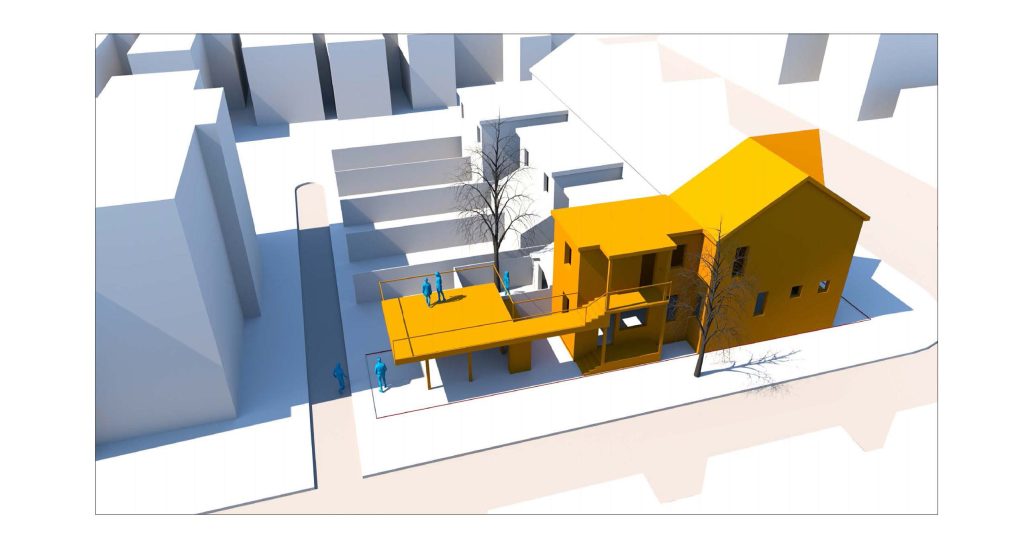
Benefits of 3D Massing Studies
1. Enhanced Visualization
3D massing models provide a clear, three-dimensional representation of design concepts, allowing you to:
- Visualize the project’s overall form and scale
- Understand how the building will fit into its surroundings
- Explore different design options quickly
2. Improved Decision Making
With 3D massing studies, you can make more informed decisions about your project:
- Compare multiple design options side-by-side
- Assess the impact of different building shapes and sizes
- Evaluate how design choices affect natural light and views
3. Efficient Design Process
3D massing studies streamline the early stages of design:
- Rapidly test and refine ideas
- Identify potential issues early in the process
- Facilitate collaboration between architects, clients, and stakeholders
4. Cost and Time Savings
Investing in 3D massing studies can lead to significant savings:
- Reduce the need for costly design changes later in the process
- Optimize the building’s form for energy efficiency
- Streamline the approval process with clear visual representations
5. Why Work with an Architect for 3D Massing Studies
Professional architects bring valuable expertise to the massing process:
- Technical Skill: Architects use advanced software to create accurate, detailed models.
- Design Insight: They can optimize the building’s form for functionality, aesthetics, and efficiency.
- Contextual Understanding: Architects consider how the building will integrate with its surroundings.
- Regulatory Knowledge: They ensure the massing complies with the Toronto Zoning By-law (569-2013) and Ontario Building Code (2024).
6. Applications of 3D Massing Studies
3D massing models are useful for various project types:
- Residential: Visualize home additions or new custom homes
- Commercial: Explore office building layouts or retail center designs
- Mixed-Use: Analyze the interaction between different building functions
- Urban Planning: Study the impact of new developments on cityscapes
Conclusion
By investing in 3D massing studies with a professional architect, homeowners and business owners can gain a clearer vision of their project, make better-informed decisions, and set a strong foundation for successful design and construction. This crucial step ensures that your architectural project aligns with your goals, budget, and site constraints from the very beginning.