The Toronto Zoning By-law (569-2013) and Ontario Building Code (2024) requirements to design and build a garage, shed, or accessory studio structure on your property regardless of size or complexity can sometimes be as stringent and complicated as those for a primary structure. Here’s why architectural expertise is beneficial when navigating the permitting process for accessory buildings:
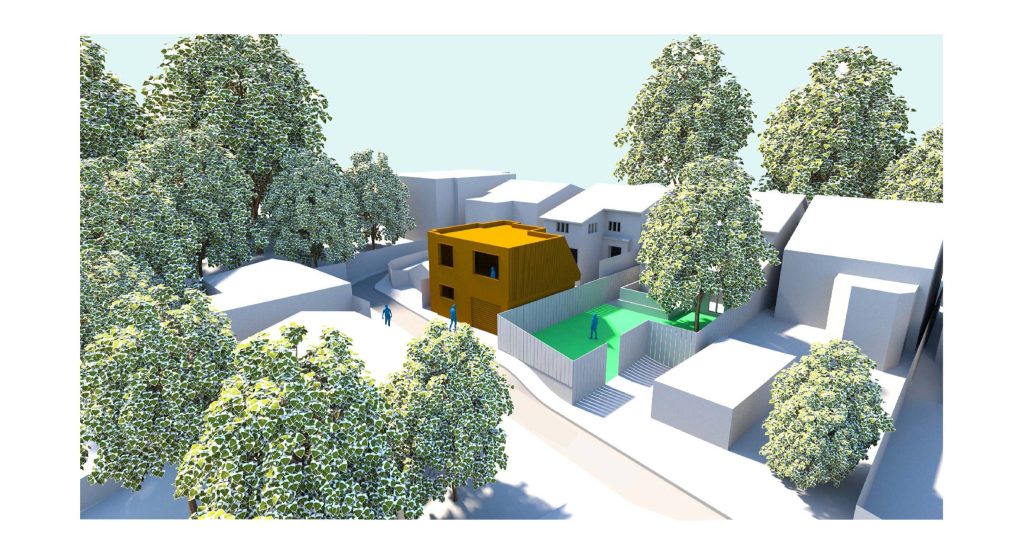
1. Expert Navigation of the Ontario Building Code and Zoning Laws
Architects are well-versed in the Ontario Building Code (2024) and the Toronto Zoning By-law (569-2013). They can:
- Ensure your accessory structure design complies with size, height, and setback requirements
- Identify if any variances are needed and assist with the application process
- Optimize the design to avoid potential code issues
2. Streamlined Permit Application Process
Working with an architect can significantly speed up and simplify the permit application:
- They know exactly what documentation is required
- Can produce professional-quality drawings and site plans
- May have established relationships with local building departments
3. Customized Design Solutions
Architects can create accessory structures that are both functional and aesthetically pleasing:
- Design structures that complement your existing property
- Maximize usable space within zoning constraints
- Incorporate innovative features to enhance functionality
4. Cost-Effective Planning
While hiring an architect may seem like an added expense, it can lead to cost savings:
- Avoid costly mistakes or redesigns due to code violations
- Optimize material usage and construction methods
- Potentially increase property value through thoughtful design
5. Types of Accessory Structures Requiring Permits
Common accessory structures that often require permits include:
- Detached garages
- Sheds over a certain size (typically 10-15 square meters)
- Carports
- Gazebos
- Pool houses
- Workshops
6. When Permits Are Required
Generally, a building permit is required for accessory structures when:
- The structure is larger than 10-15 square meters (Toronto Zoning By-law 569-2013)
- It contains plumbing or electrical systems
- The structure is more than one story tall
- It’s attached to the main dwelling
Conclusion
Engaging an architect for accessory structure permit services can save homeowners and business owners time, money, and stress. Their expertise ensures that your project complies with local regulations, moves smoothly through the permitting process, and results in a well-designed structure that adds value to your property. By investing in professional architectural services, you set your accessory structure project up for success from the very beginning.