The architectural process can often be long and arduous but it all has to start somewhere. Schematic Design is the first step in turning initial ideas into tangible design concepts, often in the form of rough sketches that help you visualize potential solutions. Although this phase of design is exploratory in nature, it helps you identify potential challenges with the site, budget, or program early in the project. Once a concept is narrowed down from a series of options, the architect can proceed to produce basic drawings (plans, sections, and elevations) to establish the form and function of your project. These are instrumental in facilitating communication between you, the architect, and other potential stakeholders. Having a clear vision from the start and being able to communicate it can prevent costly changes and budgetary overruns in the future.
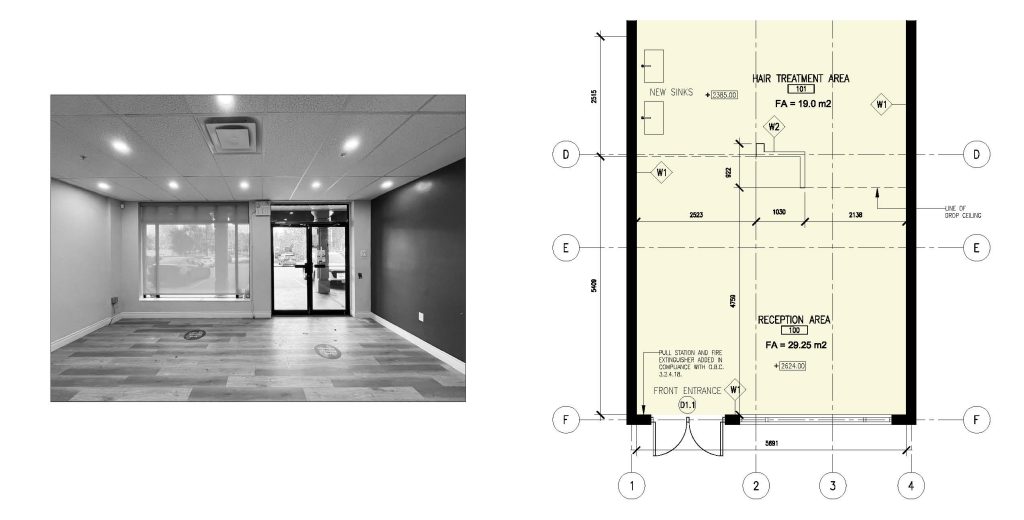
Benefits of Basic Schematic Drawings
1. Visualize the Concept
Schematic drawings translate your ideas into visual form, allowing you to see how your space might look and function. This helps you better understand the potential of your project and refine your vision.
2. Explore Design Options
At the beginning, Architects typically present multiple design concepts through rough sketches and floor plans. This gives you choices and allows you to provide feedback to refine the direction, ensuring the final design aligns with your goals.
3. Identify Challenges Early
These initial drawings help uncover potential issues with the site, budget, or program before significant time and money are invested. This early problem-solving can prevent costly changes later in the process.
4. Facilitate Communication
Schematic drawings serve as a powerful communication tool between you, the architect, and other stakeholders. They help ensure everyone understands the design concept and can provide input.
5. What to Expect
Basic Schematic Drawings could include:
- Site plans
- Basic floor plans
- Simple elevations
- Rough 3D views or renderings
- A project narrative describing the design intent
These drawings are not highly detailed construction documents. Instead, they use basic representations to convey concepts and spatial relationships.
6. Why It’s Valuable
Investing in Basic Schematic Drawings offers several advantages:
- Clarifies Your Vision: The process helps you articulate and refine your goals for the project.
- Saves Time and Money: Addressing major design decisions early can prevent costly changes later in the process.
- Provides a Foundation: The schematic design becomes the basis for more detailed design phases, ensuring a cohesive vision throughout the project.
- Facilitates Decision-Making: Exploring multiple options helps you make informed choices about the direction of your project.
- Aids in Cost Estimation: Based on the rough designs, you can get an initial opinion of probable costs, helping align the project scope with your budget.
Conclusion
By engaging an architect for Basic Schematic Drawings, homeowners and business owners lay a strong foundation for a successful project that meets their needs, budget, and aesthetic goals. These initial drawings are a crucial step in translating your vision into a buildable reality, providing clarity and direction for the entire design and construction process.